
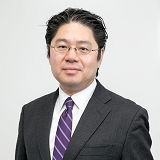
前田 正一 ( マエダ ショウイチ )

Maeda, Shoichi

写真a

所属(所属キャンパス)

健康マネジメント研究科 ( 湘南藤沢 )

職名

教授

プロフィール 【 表示 / 非表示

  •  医学・医療に関する技術は、近年、目覚ましく進歩しています。こうした技術の進歩は、これまでには不可能であった疾病の診断や予防、治療を可能にするなど、人々に多大な利益をもたらしています。その一方で、技術の進歩は、新たな倫理的・法的・社会的課題(ELSI:Ethical Legal and Social Issues)を生じさせています。医学に関する技術の進歩との関係でいえば、新型出生前診断とその後の人工妊娠中絶に関する問題を一つの例として示すことができます。また、医療に関する技術の進歩との関係でいえば、終末期における生命維持治療の差し控え・中止の問題を一つの例として示すことができます。さらに公衆衛生活動との関係でも、新型感染症に対する予防接種の優先順位の決定の問題など、多くの課題をELSIの例として示すことができます。このような中、近年、医療倫理に関する研究・教育が喫緊の課題であることが、これまで以上に指摘されるようになっています。  また、上記のように、近年、医療技術は目覚ましく進歩しています。しかし、その技術は複雑・高度化しています。こうした医療環境のなか、医療従事者不足など、技術の複雑・高度化以外の諸問題とも相まって、医療現場では、医療事故が多く生じるようになっています。医療事故の問題は、今日、わが国のみならず、世界的にも大きな問題となっており、医療安全活動や事故対応に関する研究・教育の必要性が強く指摘されるようになっています。  以上のような状況の変化は、これまでの理論的枠組みを超えた、公共政策のあり方の検討をも必要とするようになっています。このことは、例えば、上記のワクチン接種の優先順位の決定の問題をみると、良く理解することができます。また、医学研究や診療行為に関する行政ガイドラインの検討の問題についても同様です。近時、利益相反に関する問題も、社会に波紋を広げており、そのルールのあり方の検討も重要となっています。  そこで、本研究室は、公共政策のあり方の検討を含む、医療倫理・医療安全に関する諸課題について、多分野の研究者や、実務者、行政経験者が共同して検討することを目的としています。

その他の所属・職名 【 表示 / 非表示

  • 医学部, 医療政策・管理学, 兼担教授

  • 健康マネジメント研究科委員長


研究分野 【 表示 / 非表示

  • 人文・社会 / 新領域法学 (医事法)

  • ライフサイエンス / 医療管理学、医療系社会学 (臨床倫理)

研究キーワード 【 表示 / 非表示

  • 医事法、医療倫理、研究倫理、臨床倫理、医療安全管理、リスクマネジメント


論文 【 表示 / 非表示

  • Ensuring patient safety: a comprehensive approach to radiological errors

    Maeda S., Ishikawa E., Starkey J.

    Abdominal Radiology 2025年

    ISSN  2366004X

     概要を見る

    Radiologic errors arise from the interaction of human fallibility and systemic weakness. Using a fatigue-related missed renal mass, this paper proposes a model that joins two complementary duties: ethical transparency through disclosure and apology, and system redesign grounded in Just Culture and human factors engineering. Together, these principles create a sustainable path toward safety. We outline common malpractice sources, offer practical guidance for disclosure and apology, and emphasize institutional strategies that transform individual error into system learning and patient-centered improvement.

  • Family presence during resuscitation: a survey of Japanese physicians’ views

    Tanabe Y., Ishikawa E., Yamada T., Shime N., Maeda S.

    Journal of Public Health Germany 2024年

    ISSN  21981833

     概要を見る

    Aim: This study aimed to clarify physicians’ awareness of and attitudes toward family presence during resuscitation (FPDR) and related factors. Subject and methods: A web-based questionnaire survey was conducted of 7859 physicians who were members of the Japanese Society of Intensive Care Medicine (survey period: October 12, 2022, to December 31, 2022). Focusing on cardiopulmonary arrest, the survey questioned their awareness and attitudes, with a comparison of exogenous and non-exogenous patients. Results: The proportion of respondents who have family present during resuscitation was 100 (25.0%) for exogenous and 105 (29.2%) for non-exogenous. The proportion who believed that the family’s acceptance of death is greater with FPDR was 255 (61.7%) for exogenous and 245 (65.7%) for non-exogenous. The proportion who believed that the family’s acceptance of death is greater with FPDR included a significantly higher number of respondents who had family present than in the proportion who believed that FPDR has no effect. The proportion who believed that the family is emotionally traumatized by FPDR was 251 (60.8%) for exogenous and 217 (58.2%) for non-exogenous. The proportion who believed that families are emotionally traumatized by FPDR included a significantly higher number of respondents who do not have family present than the proportion who believed that FPDR has no effect. Conclusion: Various international resuscitation guidelines have recommended FPDR from an early stage to alleviate grief and prevent mental disorders. However, these guidelines are not always followed in Japan.

  • Current status of umbilical cord blood storage and provision to private biobanks by institutions handling childbirth in Japan

    Murata M., Kawabe K., Hatta T., Maeda S., Fujita M.

    BMC Medical Ethics 23 ( 1 )  2022年12月

     概要を見る

    Background: The Act Regarding the Promotion of the Appropriate Supply of Hematopoietic Stem Cells for Transplant regulates only how public banks store and provide umbilical cord blood (UCB) for research or transplantation. Japan had no laws to regulate how the private banks manage the procedures, harvesting, preparation, and storage of such blood. As a result, the status of UCB distribution remains unknown. We conducted a survey to investigate the current status of UCB storage and provision to private biobanks by Japanese institutions that handle childbirth. Methods: Questionnaire forms were mailed to 3,277 facilities handling childbirth that were registered in the Japan Council for Quality Health Care website. Results: Of the 1,192 institutions handling childbirth that participated in the survey (response rate: 36.7%), 34.4% responded that they currently provide UCB to private biobanks, while 16.1% of facilities did so in the past. Moreover, some institutions currently provide or formerly provided UCB to medical treatment facilities (2.6%), research institutions (5.9%), companies (2.2%), or overseas treatment facilities, research institutions, or companies (0.3%). A certain number of institutions handling childbirth did not even provide explanations or obtain consent when the UCB was harvested from private bank users. Conclusions: This is the first study to determine the status of UCB provision to private banks by Japanese institutions handling childbirth. Future studies will need to examine in detail how institutions handling childbirth provide explanations to private bank users and UCB providers as well as how these institutions obtain consent.

  • An Exploratory Study on Information Manipulation by Doctors: Awareness, Actual State, and Ethical Tolerance

    Maeda S., Nakazawa E., Kamishiraki E., Ishikawa E., Murata M., Mori K., Akabayashi A.

    Clinics and Practice 12 ( 5 ) 723 - 733 2022年10月

     概要を見る

    (1) Background: To what extent is information manipulation by doctors acceptable? To answer this question, we conducted an exploratory study aimed at obtaining basic data on descriptive ethics for considering this issue. (2) Methods: A self-administered questionnaire survey was conducted on a large sample (n = 3305) of doctors. The participants were queried on (1) whether they consider that information manipulation is necessary (awareness), (2) whether they have actually manipulated information (actual state), and (3) their ethical tolerance. (3) Result: The response rate was 28.7%. Sixty percent of the doctors responded that information manipulation to avoid harm to patients is necessary (awareness), that they have actually manipulated information (actual state), and that information manipulation is ethically acceptable. (4) Conclusion: While the present survey was conducted among doctors in Japan, previous studies have reported similar findings in the United States and Europe. Based on our analysis, we hypothesize that a relationship of trust between patients and medical personnel is crucial and that information manipulation is not needed when such a relationship has been established.

  • Should the Use of Patient Medical Information in Research Require the Approval of Attending Physicians?

    Nakazawa E., Maeda S., Udagawa M., Akabayashi A.

    Publications 10 ( 3 )  2022年09月

     概要を見る

    Retrospective observational studies using medical records require researchers to guarantee the right to opt out of the study. However, is it also necessary to confirm whether the medical professionals who created those medical records permit their use as well? In this article, we consider possible options based on a fictitious scenario. Based on our deliberations, we recommend that the information be disclosed on the hospital’s homepage or in leaflets (principal investigator: hospital director), and, similar to patients, attending physicians should be given the opportunity to opt out. We also recommend that an application be submitted to the hospital’s research ethics committee. In this paper, we address the public interest aspect of the use of patient information as a primary item for ethical scrutiny. In addition to research ethics, this particular point underscores the importance of public health ethics, particularly as they pertain to the conflict between individual freedom and public interest.

全件表示 >>

KOARA(リポジトリ)収録論文等 【 表示 / 非表示

競争的研究費の研究課題 【 表示 / 非表示

  • 偶発的所見等の取扱いに関する法的課題の検討

    2023年04月
    -
    2026年03月

    前田 正一, 基盤研究(B), 補助金,  研究代表者

  • 医学研究・医療・健康診断における偶発的所見の取扱いに関する法的課題の検討

    2020年04月
    -
    2023年03月

    文部科学省・日本学術振興会, 科学研究費助成事業, 前田 正一, 基盤研究(B), 補助金,  研究代表者


担当授業科目 【 表示 / 非表示

  • リスクマネジメント論

    2025年度

  • リサーチ・スキルズ

    2025年度

  • 健康マネジメント概論

    2025年度

  • 医事法学

    2025年度

  • 健康マネジメント合同演習

    2025年度

全件表示 >>


所属学協会 【 表示 / 非表示

  • 日本医事法学会

     
  • 日本生命倫理学会

     
  • 日本病院管理学会

     
  • 日本社会福祉学会

     
  • 日本公衆衛生学会


全件表示 >>