柴田 淳史 (シバタ アツシ)

Shibata, Atsushi

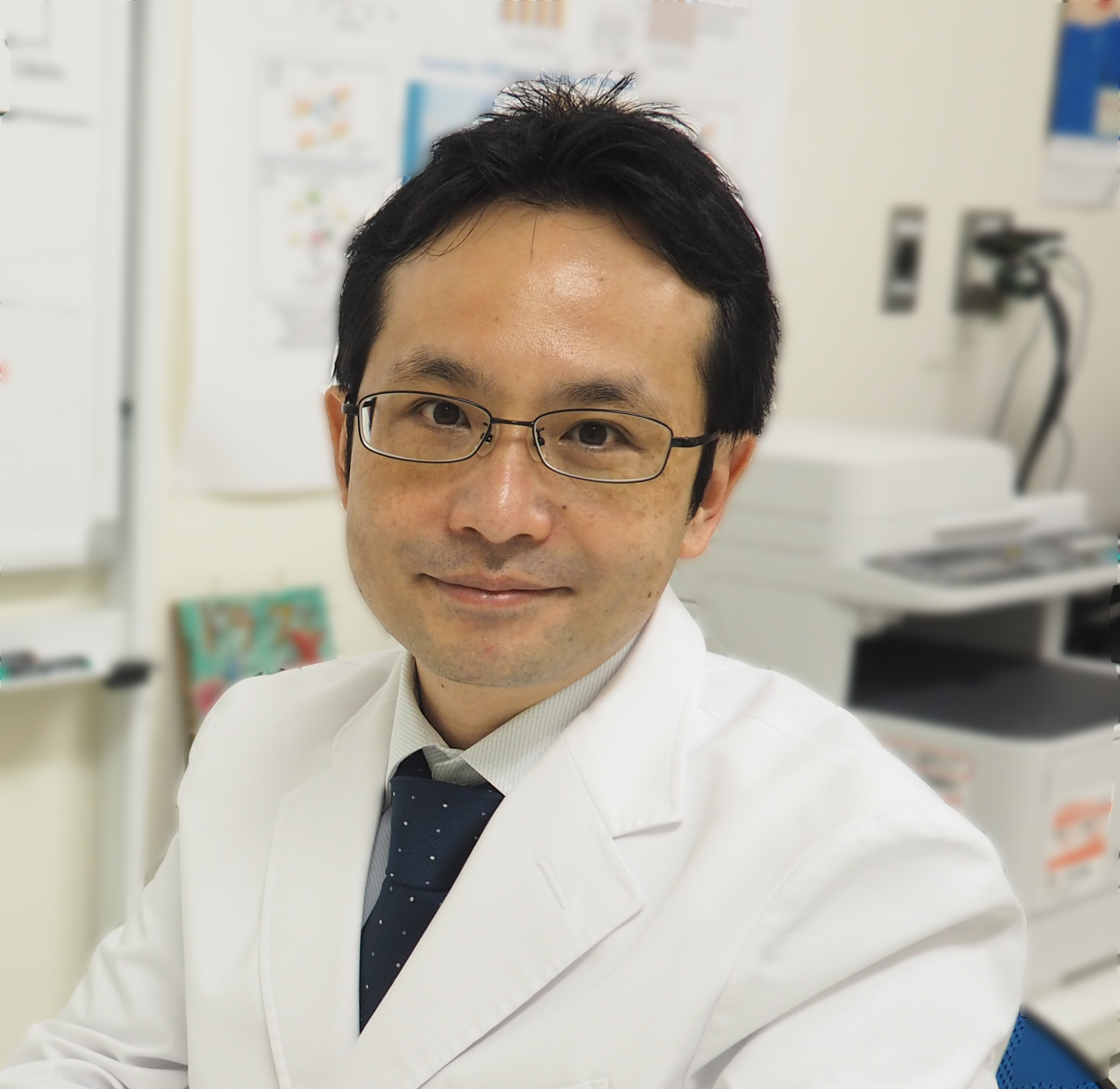
写真a

所属(所属キャンパス)

薬学部 薬学科 (芝共立)

職名

教授

HP

経歴 【 表示 / 非表示

  • 2004年
    -
    2006年

    東京医科歯科大学, 日本学術振興会 特別研究員DC1

  • 2006年
    -
    2007年

    東京医科歯科大学, 日本学術振興会 特別研究員PD

  • 2006年
    -
    2007年

    東京医科歯科大学, Medical and Dental Sciences Postdoctoral Degree (Ph.D, medicine)

  • 2006年
    -
    2012年

    University of Sussex, 博士研究員

  • 2012年
    -
    2013年

    University of Sussex, 日本学術振興会 海外特別研究員

全件表示 >>


研究分野 【 表示 / 非表示

  • ライフサイエンス / 分子生物学

  • ライフサイエンス / 遺伝学

  • ライフサイエンス / 病態医化学

  • ライフサイエンス / 放射線科学

  • 環境・農学 / 放射線影響

全件表示 >>

研究キーワード 【 表示 / 非表示

  • DNA修復

  • DNA損傷

  • がん免疫治療(PD-L1, HLA, Neoantigen)

  • がん治療

  • クロマチン

全件表示 >>


著書 【 表示 / 非表示

  • Carbon ion radiation and clustered DNA double-strand breaks

    Atsushi Shibata, Academic Press, 2022年,  ページ数: 117-130

    担当範囲: Chapter eight 原著者: Fuyuhiko Tamanoi, Kenichi Yoshikawa

     概要を見る

    A carbon ion categorized as a heavy ion particle has been used for cancer radiotherapy. High linear energy transfer (LET) carbon ion irradiation deposits energy at a high density along a particle track, generating multiple types of DNA damage. Complex DNA lesions, comprising DNA double-strand breaks (DSBs), single-strand breaks, and base damage within 1–2 helical turns (< 3–4 nm), are thought to be difficult to repair and critically influence cell viability. In addition to the effect of lesion complexity, the most recent studies have demonstrated another characteristic of high LET particle radiation-induced DNA damage, clustered DSBs. Clustered DSBs are defined as the formation of multiple DSBs in close proximity where the scale of clustering is approximately 1–2 μm3, i.e., the scale of the event is estimated to be > ∼ 1 Mbp. This chapter reviews the hallmarks of clustered DSBs and how such DNA damage influences genome instability and cell viability in the context of high LET carbon ion radiotherapy.

  • Other Determinants of Sensitivity

    Naoyuki Okita, Atsushi Shibata他, Humana Press, 2015年06月,  ページ数: 363-379

    原著者: Nicola J. Curtin, Ricky A. Sharma , 査読有り

     概要を見る

    Cancer treatments such as radiotherapy and chemotherapy induce DNA damage, which can be a factor determining therapeutic efficacy. A DNA double strand break (DSB) is considered to be the most critical type of DNA lesion, since DSBs cause cell death when they are unrepaired and generate mutations if they are misrepaired. Ionising radiation (IR) produces a broad spectrum of DNA damage, including DSBs, single strand breaks (SSBs) and base damages. Specific poly(ADP-ribose)polymerase (PARP) inhibitors, currently being tested in clinical trials, compromise SSB repair after IR, resulting in the accumulation of replication-associated DSBs. Since replication-associated DSBs are effectively repaired by homologous recombination, PARP inhibition sensitizes cells that are defective in homologous recombination. In addition, PARP inhibition effectively blocks backup DSB repair in cells defective in non-homologous end joining (NHEJ) following IR. Importantly, the sensitization in NHEJ-defective cells occurs independently of DNA replication. In this chapter, we discuss the multiple effects of PARP inhibition in DSB repair-defective cells in the context of the potential availability of PARP inhibitor in clinical use. We further discuss how a PARP inhibitor influences the type of cell death, which may affect prognosis following cancer treatment. In cancer therapy using PARP inhibitors, a comprehensive understanding of PARP signaling from DNA damage to cell death may be required to augment DNA damage-induced cell death and to direct restrained cell death in order to reduce inflammation responses in surrounding tissues.

  • Agent-dependent effects of Parp-1 deficiency on DNA damage responses and genomic stability in mouse ES cells

    Hideki Ogino, Atsushi Shibata, Akemi Gunji, Hiroshi Suzuki, Hitoshi Nakagawa, Takashi Sugimura, Mitsuko Masutani, nova science publishers, 2006年04月,  ページ数: 133-147

    担当範囲: Chapter6 原著者: Erik V. Greer

論文 【 表示 / 非表示

全件表示 >>

総説・解説等 【 表示 / 非表示

  • Regulation of DNA damage-induced HLA Class I presentation

    Yuki Uchihara, Atsushi Shibata

    DNA Repair (Elsevier B.V.)  132   103590 2023年12月

    記事・総説・解説・論説等(学術雑誌), 共著, 最終著者, 責任著者

     概要を見る

    Immune checkpoint inhibitors (ICI) are cancer therapies that restore anti-tumor immunity; however, only a small percentage of patients have been completely cured by ICI alone. Multiple approaches in combination with other modalities have been used to improve the efficacy of ICI therapy. Among conventional cancer treatments, radiotherapy or DNA damage-based chemotherapy is a promising candidate as a partner of ICI because DNA damage signaling potentially stimulates immune activities turning the tumor’s immune environment into hot tumors. Programmed death-ligand 1 (PD-L1) and human leukocyte antigen class I (HLA-I), which are immune ligands, regulate the balance of anti-tumor immunity in the tumor microenvironment. PD-L1 functions as a brake to suppress cytotoxic T cell activity, whereas HLA-I is an immune accelerator that promotes the downstream of the T cell signaling. Accumulating evidence has demonstrated that DNA damage enhances the presentation of HLA-I on the surface of damaged cells. However, it is unclear how signal transduction in DNA-damaged cells upregulates the presentation of HLA-I with antigens. Our recent study uncovered the mechanism underlying DNA damage-induced HLA-I presentation, which requires polypeptide synthesis through a pioneer round of translation. In this review, we summarize the latest overview of how DNA damage stimulates antigen production presented by HLA-I.

  • Genome maintenance Mechanisms at the Chromatin Level

    Hirotomo Takatsuka, Atsushi Shibata, Masaaki Umeda

    International Journal of Molecular Sciences (MDPI)  22 ( 19 ) 10384 2021年09月

    記事・総説・解説・論説等(学術雑誌), 共著

     概要を見る

    Genome integrity is constantly threatened by internal and external stressors, in both animals and plants. As plants are sessile, a variety of environment stressors can damage their DNA. In the nucleus, DNA twines around histone proteins to form the higher-order structure “chromatin”. Unraveling how chromatin transforms on sensing genotoxic stress is, thus, key to understanding plant strategies to cope with fluctuating environments. In recent years, accumulating evidence in plant research has suggested that chromatin plays a crucial role in protecting DNA from genotoxic stress in three ways: (1) changes in chromatin modifications around damaged sites enhance DNA repair by providing a scaffold and/or easy access to DNA repair machinery; (2) DNA damage triggers genome-wide alterations in chromatin modifications, globally modulating gene expression required for DNA damage response, such as stem cell death, cell-cycle arrest, and an early onset of endoreplication; and (3) condensed chromatin functions as a physical barrier against genotoxic stressors to protect DNA. In this review, we highlight the chromatin-level control of genome stability and compare the regulatory systems in plants and animals to find out unique mechanisms maintaining genome integrity under genotoxic stress.

  • ATM's Role in the Repair of DNA Double-Strand Breaks

    Atsushi Shibata, Penny A. Jeggo

    Genes (MDPI)  12 ( 9 ) 1370 2021年08月

    記事・総説・解説・論説等(学術雑誌), 共著, 筆頭著者, 責任著者

  • Modulation of immune responses by DNA damage signaling

    Yuki Uchihara, Tiara Bunga Mayang Permata, Hiro Sato, Atsushi Shibata

    DNA Repair (Elsevier)  104   103135 2021年08月

    記事・総説・解説・論説等(学術雑誌), 共著, 最終著者, 責任著者

     概要を見る

    An accumulation of evidence indicates the importance of DNA damage signaling in modulating immune responses. Indeed, understanding the mechanism that underlies signal transduction originating from DNA damage is vital to overcoming refractory cancer, particularly when cancer immune therapy is applied in combination with DNA damage-dependent radio/chemotherapy. In addition, immune-associated responses to such signals can aggravate the symptoms of infections, allergies, autoimmune disease, and aging. In this review, we discuss how cells transduce signals, triggered by DNA damage, from their origins to neighboring cells and how this affects immune and inflammatory responses.

  • Canonical DNA non-homologous end-joining; capacity versus fidelity

    Atsushi Shibata, Penny A. Jeggo

    British Journal of Radiology (Oxford University Press)  93 ( 1115 ) 20190966 2020年11月

    記事・総説・解説・論説等(学術雑誌), 共著, 筆頭著者

     概要を見る

    The significance of canonical DNA non-homologous end-joining (c-NHEJ) for DNA double strand break (DSB) repair has increased from lower organisms to higher eukaryotes, and plays the predominant role in human cells. Ku, the c-NHEJ end-binding component, binds DSBs with high efficiency enabling c-NHEJ to be the first choice DSB repair pathway, although alternative pathways can ensue after regulated steps to remove Ku. Indeed, radiation-induced DSBs are repaired rapidly in human cells. However, an important question is the fidelity with which radiation-induced DSBs are repaired, which is essential for assessing any harmful impacts caused by radiation exposure. Indeed, is compromised fidelity a price we pay for high capacity repair. Two subpathways of c-NHEJ have been revealed; a fast process that does not require nucleases or significant chromatin changes and a slower process that necessitates resection factors, and potentially more significant chromatin changes at the DSB. Recent studies have also shown that DSBs within transcriptionally active regions are repaired by specialised mechanisms, and the response at such DSBs encompasses a process of transcriptional arrest. Here, we consider the limitations of c-NHEJ that might result in DSB misrepair. We consider the common IR-induced misrepair events and discuss how they might arise via the distinct subpathways of c-NHEJ.

全件表示 >>

研究発表 【 表示 / 非表示

全件表示 >>

競争的研究費の研究課題 【 表示 / 非表示

  • 多彩なDNA損傷応答フォーサイの構築原理と染色体転座抑制機構の解明

    2025年04月
    -
    2029年03月

    科学研究費助成事業, 柴田 淳史, 基盤研究(B), 補助金,  研究代表者

     研究概要を見る

    DSBマーカーとして用いているγH2AXが様々な形状をしていることは多くの研究者が気付いているが、その理由と役割については全く研究が行われていない。γH2AXがなぜ大きくなるのか、なぜ小さいフォーサイが存在するのか、そしてγH2AXの大きさはDNA修復の正確性を保証するのか、γH2AX構造の破綻はゲノム不安定化を導くのか、これらの問いに答える研究は未だ国際的にも報告例が無い。したがって、本研究課題は当該分野を専門とする研究者ですら答えることができない謎であり、学術的に核心をなす問いであると考えている。

  • 環境因子に共通するゲノムストレスと炎症の臓器・オルガノイドイメージング

    2024年04月
    -
    2028年03月

    科学研究費助成事業, 大塚 健介, 鈴木 啓司, 柴田 淳史, 阿久津 英憲, 基盤研究(B), 未設定

     研究概要を見る

    組織の発がん過程における放射線および化学物質など環境因子による影響を、生物学的に共通の指標であるゲノムストレス(DNA損傷)と炎症の観点から理解する。研究代表者が開発したDNA損傷可視化マウスや、臓器培養(オルガノイド培養)することで、炎症・抗炎症に寄与する免疫・炎症関連の化合物スクリーニングを行う。これにより、発がんの初期過程であるゲノムストレスと、がん進展過程(プロモーション)である微小環境における炎症の同時評価を可能とし、様々な環境因子の発がんリスクを共通の指標で相互比較可能な本研究のプラットフォームを活用して、組織フィールド内での発がんプロセスの解明を目指す。

  • DNA損傷により惹起されるゲノム変異非依存的な新規ネオアンチゲン発生機構の解明

    2023年06月
    -
    2025年03月

    日本学術振興会, 科学研究費助成事業, 柴田 淳史, 挑戦的研究(萌芽), 補助金,  研究代表者

     研究概要を見る

    我々のこれまでの研究成果から、DNA損傷後のシグナル伝達が、転写及び翻訳の変化を引き起こし、非自己となる抗原(ネオアンチゲン)を産生しているという新たなモデルを考案している。そこで本研究では、「ゲノム変異非依存的なネオアンチゲン産生機構」の立証およびその分子機構解明を目的として、DNA損傷依存的な転写および翻訳開始点の変化を検出および解析する。DNA損傷という細胞に過度なストレスを与えた環境においては、従来の定説とは異なる抗原産生メカニズムが働くという新しい生命応答を示すことができ、当該分野における新たな概念を世界に先駆けて発信することができると考えている。

  • 酸化ストレスに対するミトコンドリア翻訳停滞解消システムの役割

    2023年04月
    -
    2026年03月

    日本学術振興会, 科学研究費助成事業, 行木 信一, 柴田 淳史, 基盤研究(C), 未設定

     研究概要を見る

    翻訳停滞とは,翻訳中にリボソームがmRNA上で停滞して蛋白質合成が滞る状態を指す。ミトコンドリアの翻訳系には,2種類の翻訳停滞解消因子「C12orf65」および「ICT1」が必ず存在するが,長らくC12orf65とICT1の機能的差異については不明であった。申請者は出芽酵母を用いた実験により,C12orf65が「リボソーム結合性抗生物質による翻訳停滞」の解消に必須であることを明らかにした。本研究では,ミトコンドリアにとって内在的リスク因子である酸化ストレスに着目し,酸化ストレスに対するミトコンドリア翻訳停滞解消システムの役割の解明を行う。

  • 人工ウィルスにより抗腫瘍免疫を起動する新規免疫療法の開発

    2023年04月
    -
    2026年03月

    日本学術振興会, 科学研究費助成事業, 中島 菜花子, 長田 健介, 柴田 淳史, 基盤研究(C), 未設定

     研究概要を見る

    本研究は、免疫から逃避している腫瘍に、抗腫瘍免疫を起動する遺伝子を導入し、惹起された免疫機構により腫瘍を排除する新規がん治療法の開発を目的としている。本研究では、全身投与が可能であり、定的に腫瘍に遺伝子を導入する人工ウィルス(非ウィルス型ベクター)を用い、腫瘍の免疫原性を高める遺伝子を腫瘍に強制発現させる。そして、人工ウィルスの有効性、すなわち腫瘍特異的遺伝子導入率・抗腫瘍免疫の賦活化・腫瘍増殖の抑制効果を検証する。本研究で提案する治療法は、全ての腫瘍において適応可能であり、従来の免疫療法との併用によりそれぞれの奏功の最大化も期待できる新規免疫療法である。

全件表示 >>

受賞 【 表示 / 非表示

  • 放射線影響研究 奨励賞

    2020年03月, 公益財団法人放射線影響協会

  • 放射線影響学会 奨励賞

    柴田 淳史, 2017年

  • 第24回 DNA複製・組換え・修復ワークショップ 若手発表賞

    柴田 淳史, 2017年

  • 日本放射線影響学会第60回大会 優秀演題発表賞

    柴田 淳史, 2017年

  • Poster prize

    柴田 淳史, 2012年, Joint British Association for Cancer Research-Gray Institute

全件表示 >>


担当授業科目 【 表示 / 非表示

  • 病態薬学特論

    2025年度

  • 分子腫瘍神経科学特論

    2025年度

  • 微生物学実習

    2025年度

  • 微生物学

    2025年度

  • 英語演習(薬科学科)

    2025年度

全件表示 >>